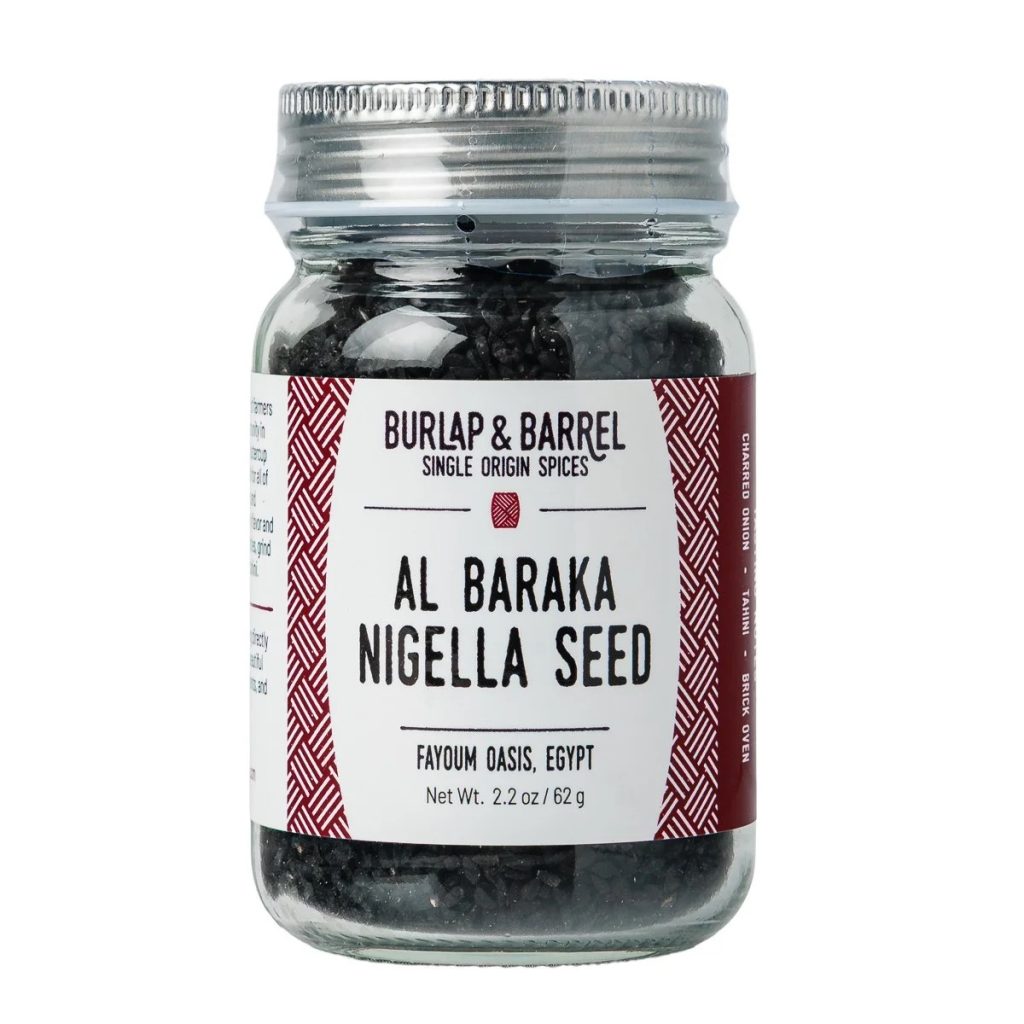
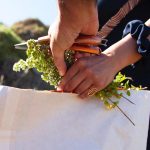
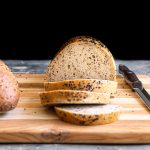
The Nigella seeds we have come from Egypt—thanks to the good folks at importer Burlap & Barrel—produced by farmers in an area surrounding the ancient town of Fayoum. The seeds are harvested in the spring, usually from mid-May until early June, and then cleaned and dried. They’re used extensively in India, Central and Western Asia, and North Africa. You might also know Nigella seed from its use in Armenian string cheese. The main thing is that the seeds are super tasty and amazingly aromatic! You can use them in curries, on salads, in bread baking, or with cheese. In Egypt, it’s common to turn them into a tahini-like puree, sweetened a bit with honey, date syrup, and olive oil. The seeds are also widely used in panch phoron, duqqa, and any number of pickle recipes.
Coincidentally, I was already familiar with the town of Fayoum for a completely different reason—it was the small village to which the Swiss ceramicist Evelyne Porret traveled in 1977. She began working with poor children there to help them learn traditional pottery techniques, so they could make a modern-day living from a craft that goes back something like 5,500 years in the region.
Nigella’s name in Arabic is habat al baraka—baraka means “blessed,” and habat means “seed.” The Prophet Muhammad sang the praises of Nigella seeds many centuries ago. And to this day, they have enormous natural healing properties: Nigella seed oil is used as a natural anti-inflammatory, antibiotic, and antifungal treatment, as well as for thyroid support, asthma relief, cholesterol reduction, and more! In ancient Egypt, Cleopatra and Nefertiti used the oil from the seed for their skin and their hair.
Culinarily, you can add Nigella seeds to salads, roasted vegetables, stews, soups, and curries; bake them into breads; or brew them into an herbal tea.