If you’ve visited just about any coffee shop in the past several years, you’ve probably seen matcha on the menu. Whether you’ve tried it yet or not, its popularity in the United States nowadays is impossible to deny! Although matcha is a more recent trend in the U.S, its history and cultural legacy date over 800 years.
Hey There, Nice to “Matcha!”
The origins of matcha can be traced to the Tang Dynasty in China. Between the 7th and 10th centuries, tea leaves were steamed to form bricks for ease of transport and trade. These bricks were then prepared by roasting and pulverizing the leaves, then mixing the powder with water and salt. This form of tea preparation really took off between the 10th and 13th centuries, during the Song Dynasty. This is when this powdered form of tea migrated to Japan at the hands of a Japanese Buddhist Monk named Eisai, who returned from his Buddhist studies in China in 1191 with tea plant seeds and this tea preparation method. During the Kamakura period in Japan that lasted until the 14th century, this tea was produced in extremely limited quantities. However, by the 15th and 16th centuries, Japanese tea farmers had fully realized their own specialized technique for producing tencha, the unique, shade-grown tea leaves that are pulverized to become matcha powder. Tencha can only be made if it is properly shade-grown and steamed without a secondary rolling step (as you would for a loose leaf tea), which preserves the health benefits that modern matcha is known for.
Matcha found its way to the U.S. through Japanese grocery stores in West Coast cities with large Japanese populations like Los Angeles and San Francisco. In the past quarter-century, it’s gained significant traction in mainstream American culture with help from health food retailers like Whole Foods and social media’s enthusiasm for its aesthetic appeal. This sudden explosion of demand led to a historic matcha shortage in Japan in late 2024 and was only compounded by the fact that 2025’s tea harvest yielded 20% less than the previous year. The 15% tariff on Japanese imports that went into effect in August of 2025 intensified the shortage further. These multiple issues have raised important questions about the impact of Western consumer trends, and how traditional Japanese tea farming practices can be preserved under the pressure of high demand.
Meet Mizuba
Mizuba Tea Co. is a longstanding bastion of sustainability in the matcha world, even among the rising demand. This woman-owned, family-run company has specialized in stone-milled, traditionally produced matcha and loose-leaf tea for over a decade. Their relationships with Japanese tea producers are built on respect for the craftsmanship required of growing exceptional teas. The majority of Mizuba’s matcha is stone-milled (rather than jet-milled) because it imparts a depth and richness that can’t be found in any other matcha, and it upholds traditional matcha production methods so the heritage of it isn’t lost under the pressures of demand.
Since matcha has become so popular and the term itself is not regulated, pretty much any powdered green tea can call itself matcha without legal trouble — which means you might take a sip of something that doesn’t taste very good! Finding trusted vendors like Mizuba guarantees that you’ll taste something that is truly special and ethically sourced.
Our tea purveyor, Jackson, has nothing but praise for Mizuba: “This is a shining example of a producer that found us.” Mizuba initially reached out to us all the way back in June of 2020 with a package of different matchas for us to try. “Receiving samples from producers is common for us,” Jackson says. “What’s not common is the level of quality and personal care that came with the sample. We loved everything we tasted.” So why did we wait? The trajectory of the pandemic was unpredictable, business was slow, and we didn’t have the budget for new items. But Mizuba remained in our hearts all these years. After getting slews of requests for matcha, on top of challenges with tariffs and supply issues with other vendors, Jackson resurrected the 5-year-old conversation with Lauren. Lo and behold, the new line of matcha arrived to adorn our shelves just in time for Christmas of 2025.
“Of course, the matcha is superb,” Jackson says, “but beyond that, I believe our companies are kindred spirits in business. We share values about the importance of great food, cultivating longstanding relationships with our suppliers and customers, and exceptional service.”
A “Matcha” Made in Heaven! Mizuba on Our Shelves
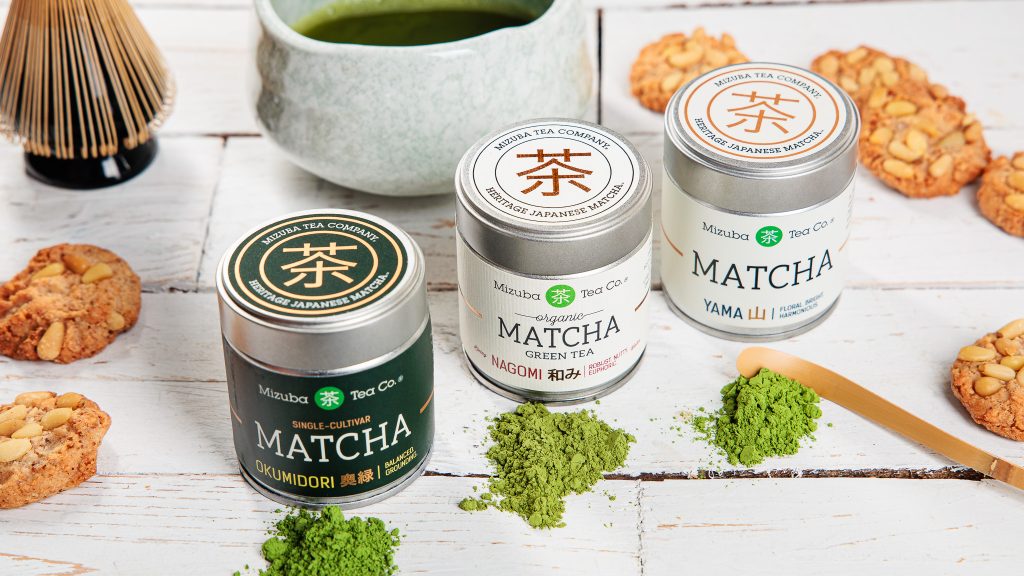
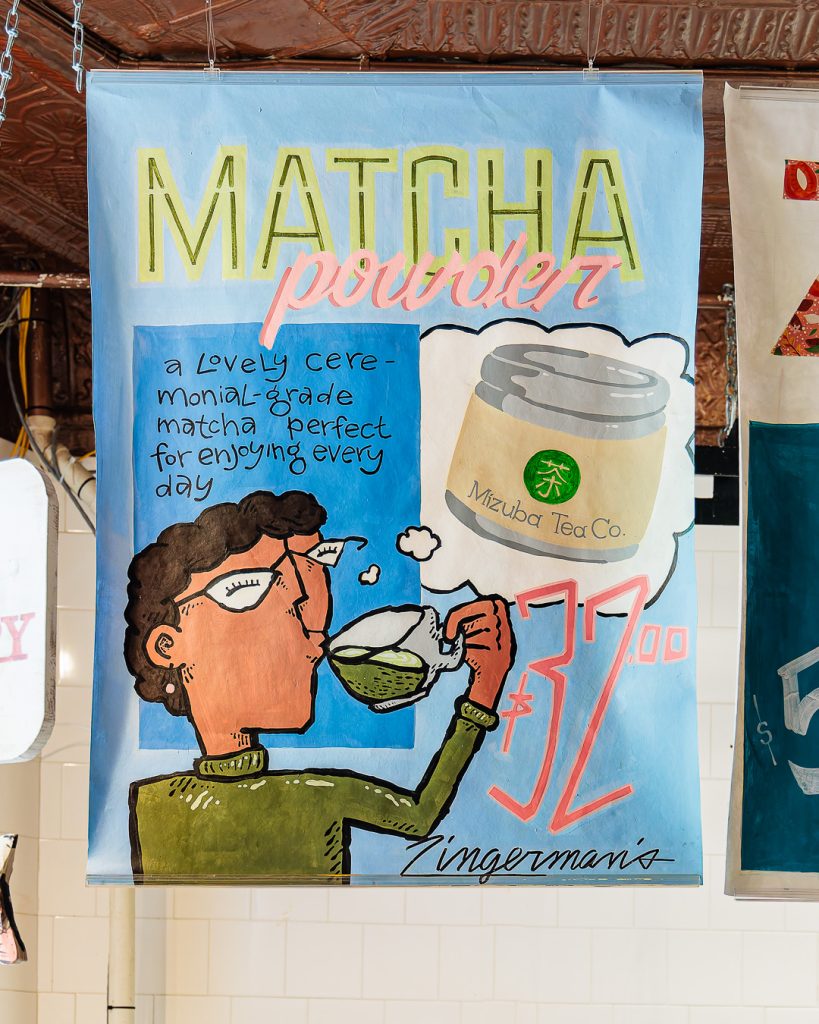
Mizuba House Organic Matcha: A lovely, ceremonial-grade matcha that’s perfect for enjoying every day. Notes of tart raspberries in the nose are supported by a creamy, vegetal experience on the palate that’s rich with umami. Welcome home.
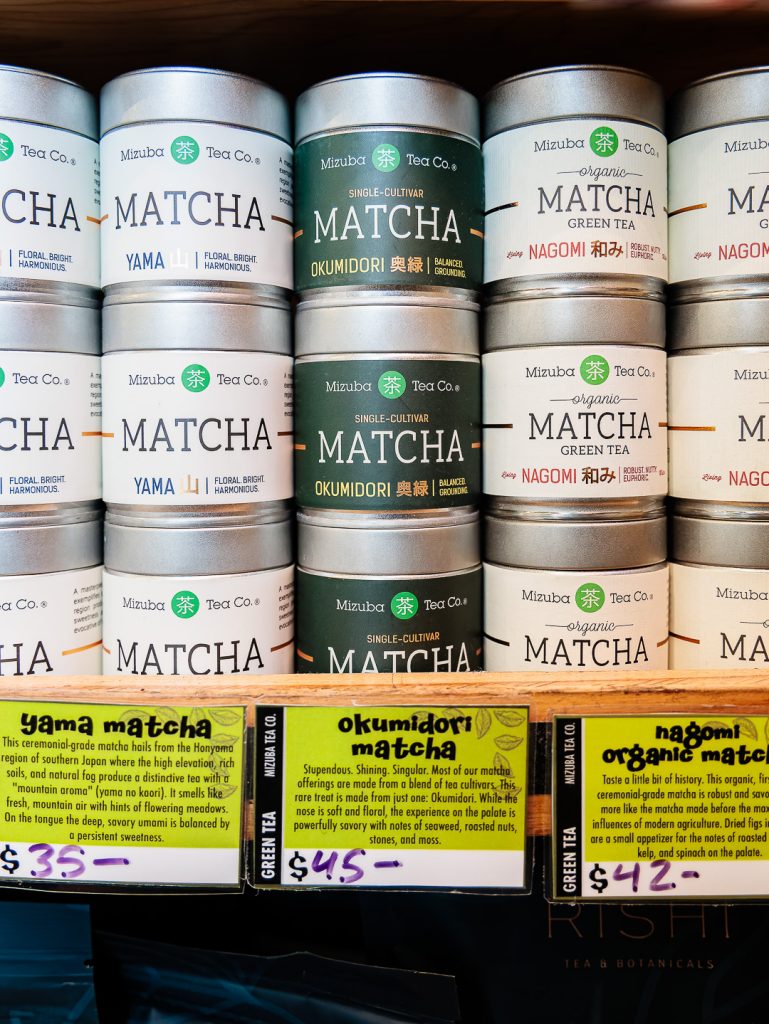
Mizuba Yama Matcha: This ceremonial-grade matcha hails from the Honyama region of southern Japan where the high elevation, rich soils, and natural fog produce a distinctive tea with a “mountain aroma” (yama no kaori). It smells like fresh, mountain air with hints of flowering meadows. On the tongue, the deep, savory umami is balanced by a persistent sweetness. Climb the mountain of better matcha. Lauren describes Yama as “layered and playful” in contrast to the “rich and grounding” profile of the Signature.
Mizuba Organic Signature Matcha: Do you dream of matcha lattes and cookies at home? Dream no more! This culinary matcha is perfect for lattes, baked goods, or any creation you can imagine. Made from shade-grown, stone-milled tea leaves grown in Shizuoka, Japan, it’s good enough for whisking in a traditional preparation, but affordable enough to use for everything.
Mizuba Okumidori Matcha: Stupendous. Shining. Singular. “This is our single cultivar pick that showcases dynamic nutty, natural, wine-y notes,” Lauren says. While the nose is soft and floral, the experience on the palate is powerfully savory with notes of seaweed, roasted nuts, stones, and moss.
Mizuba Nagomi Organic Matcha: Taste a little bit of history. This organic, first-flush, ceremonial-grade matcha is robust and savory, much more like the matcha made before the maximizing influences of modern agriculture. Dried figs in the nose are a small appetizer for the notes of roasted hazelnuts, kelp, and spinach on the palate.
Hang On! Now What Do I Do???
Now that you know all about Mizuba, let’s talk about making a great matcha at home. Lauren Purvis, founder of Mizuba, recommends their Signature Matcha for lattes or any baking you get up to. If you’re super into terroir and picking up the nuances of different matchas, look to the tins like Yama or Okumidori and hold off on any milk or sweetener — this way you’ll be making the most out of the spectacular flavor!
If you have a bamboo matcha whisk known as a chasen, you’ll want to soak it in warm water for about one minute before using it. This allows the bristles to soften and prevents them from snapping. If you don’t have a bamboo whisk, you can use a milk frother or a shaker jar. To keep your bamboo whisk in tip-top shape, you’ll also want to have a stand known as a naoshi. But if you’re making a latte, no need to worry about whisking.
To prepare your matcha, you’ll use a small spoon or a special matcha scoop called a chashakuto portion out 1 teaspoon of powder and sift it into a bowl, or chawan. Then you’ll gently pour 2 ounces of hot (not boiling – 160-175 degrees Fahrenheit) water over the powder. Using your whisk, thoroughly mix the powder into the water in zigzag motions. You’ll want to do this quickly to incorporate air through the tea — bubbles are good! Once you have a solid layer of froth on the top, burst any large bubbles by gently dragging your whisk through the mixture. If you’re making a latte, this is where you’ll add your steamed or cold milk and any desired sweetener.
Lauren’s personal recommendation is making an iced latte with Nagomi – 1 teaspoon to 6-8 ounces of cold filtered water, shaken vigorously in something with a tight-fitting lid like a mason jar, then poured over ice with a splash of oat milk. “It’s an old-temple style, organic tea,” Lauren says, “so it tends to be a lot more ‘earthy’ – in a fabulous way! The cold water brings out the sweeter notes. So if you’re making Signature, Okumidori, and Yama warm, I’d do Nagomi iced.”
Now that you’ve got all the knowledge you need to make a mean matcha, you can use Mizuba to its fullest potential!